
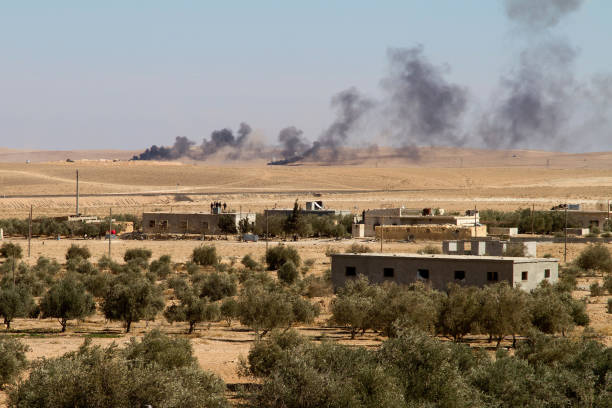

The Middle East conflict involving Iran, Israel, and the USA has once again become one of the most discussed global political issues. Tensions between these three powerful players are not new, but recent developments have pushed the situation into a more dangerous and unpredictable phase.
Understanding the Middle East conflict Iran Israel USA situation requires looking at history, political interests, military strategies, and global power balance. This is not just a regional issue — it has worldwide consequences.
In this article, we will break down the roots of the conflict, the role of each country, and what it means for the future of global stability.
Historical Background of the Conflict
The tension between Iran and Israel dates back several decades. Before 1979, Iran and Israel had relatively normal relations. However, after the Iranian Revolution in 1979, Iran adopted a strong anti-Israel stance.
Iran’s leadership considers Israel an illegitimate state, while Israel views Iran as an existential threat, especially because of Iran’s nuclear ambitions.
The United States entered the picture as Israel’s strongest ally. The USA has consistently supported Israel militarily, financially, and diplomatically. At the same time, US-Iran relations have remained hostile since the 1979 hostage crisis.
Over time, these tensions have grown into a complex triangular conflict.
Why Iran and Israel Are Rivals
The rivalry between Iran and Israel is driven by ideology, security concerns, and regional dominance.
1. Nuclear Program Concerns
Israel believes Iran is attempting to develop nuclear weapons. Iran insists its nuclear program is for peaceful purposes. However, Israel sees even the possibility of a nuclear-armed Iran as a serious threat.
The USA has also imposed heavy sanctions on Iran to stop its nuclear development.
2. Proxy Wars
Iran supports groups like Hezbollah in Lebanon and other regional militias. Israel sees these groups as direct threats to its security.
Instead of fighting openly, Iran and Israel often engage in indirect conflict through these proxy forces. This has increased instability in countries like Syria and Lebanon.
3. Cyber and Intelligence Warfare
Beyond military actions, both countries have reportedly engaged in cyberattacks and covert operations. These silent battles are part of the broader Middle East conflict Iran Israel USA dynamic.
The Role of the USA in the Conflict
The United States plays a crucial role in shaping the conflict.
Strong Alliance with Israel
The USA provides Israel with billions of dollars in military aid annually. American defense systems and diplomatic backing strengthen Israel’s position.
Whenever tensions rise, the USA often sends naval forces or military support to the region.
Sanctions Against Iran
The USA has imposed economic sanctions on Iran to pressure it over its nuclear program and regional activities. These sanctions have significantly affected Iran’s economy.
However, sanctions have not fully stopped Iran’s regional influence.
Diplomatic Efforts
At times, the USA has attempted diplomatic solutions. The 2015 nuclear deal (JCPOA) was one such effort. The agreement aimed to limit Iran’s nuclear activities in exchange for sanction relief.
But after the USA withdrew from the deal in 2018, tensions escalated again.
Recent Escalations and Military Risks
In recent years, the Middle East conflict Iran Israel USA situation has intensified.
- Airstrikes in Syria
- Attacks on military facilities
- Targeted assassinations
- Drone and missile exchanges
Each incident increases the risk of a full-scale war.
While none of the countries may want an open war, miscalculations could easily trigger one.
How This Conflict Affects the World
This is not just a regional issue. The consequences affect the entire world.
1. Oil Prices
The Middle East controls a significant portion of global oil supply. Any major war could disrupt supply routes, causing oil prices to rise sharply.
Higher oil prices affect transportation, inflation, and global economies.
2. Global Security
If the USA becomes directly involved in a war with Iran, other global powers could also respond. This could widen the conflict.
3. Humanitarian Crisis
War in the Middle East often leads to displacement of civilians, refugee crises, and destruction of infrastructure.
The humanitarian cost would be enormous.
Is War Inevitable?
Despite high tensions, many experts believe that full-scale war is still avoidable.
All three nations understand the cost of open conflict. War would bring economic damage, political instability, and international backlash.
However, ongoing hostility, proxy battles, and political pressure continue to increase the risks.
The situation remains fragile.
The Future of the Middle East Conflict Iran Israel USA
The future depends on several factors:
- Diplomatic negotiations
- Nuclear deal revival efforts
- Regional alliances
- Internal political changes in each country
If diplomacy fails, the region could face prolonged instability.
But if dialogue resumes, there is still hope for de-escalation.
Conclusion
The Middle East conflict Iran Israel USA issue is one of the most complex geopolitical tensions in modern history. It involves ideology, military strategy, nuclear concerns, and global power politics.
While war is not certain, the risk remains high.
The world is watching closely because any escalation could reshape global politics, energy markets, and international relations.
Understanding the roots and dynamics of this conflict helps us see why it matters not just to the Middle East — but to everyone.

